
Popular Products for Garden Deweedings That Save Time and Effort
Discover highly recommended weed control solutions that simplify garden cleanup and help maintain a tidy outdoor area.
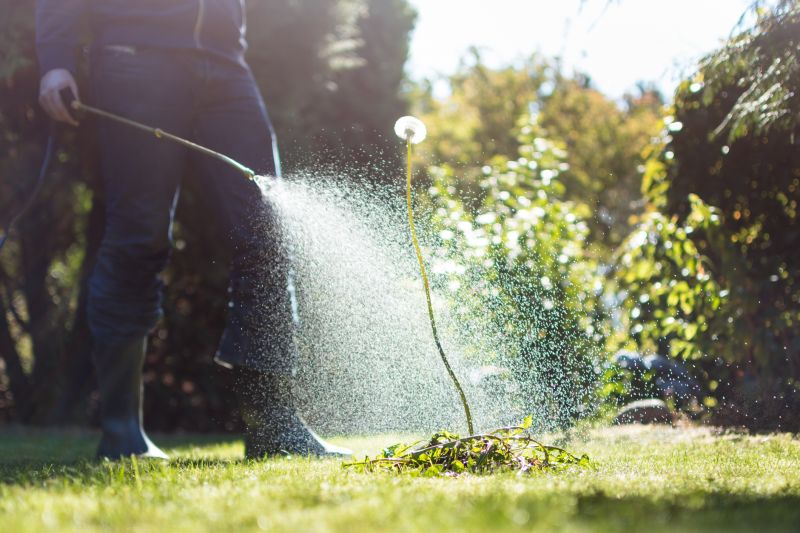 Maintaining a healthy and attractive garden often involves effective weed control to prevent unwanted plants from competing with desired flora. A variety of products are available to assist with deweeding, ranging from manual tools to chemical solutions. Selecting the right product depends on the size of the area, the type of weeds, and personal preferences for ease of use and safety. Manual tools, such as hand weeders and hoes, provide precise control and are suitable for small to medium-sized gardens. For larger areas, power tools like weed trimmers or motorized tillers can make the task more manageable. Chemical herbicides are also popular, offering quick results, but require careful handling and application to avoid damaging surrounding plants.
Top Overall Option
Multi-Functional Garden Weeding Tool
A versatile garden weeding tool designed with interchangeable heads for pulling, digging, and cutting weeds. Its ergonomic handle ensures comfortable use during extended periods, making it suitable for various garden sizes. This type of tool offers precision and control, allowing gardeners to target weeds effectively without disturbing surrounding plants.
Types of Products For Garden Deweedings
Hand Weeders
Compact tools ideal for small-scale weed removal, allowing precise extraction of weeds with minimal soil disturbance.
Hoe Tools
Long-handled tools designed for breaking up and removing weeds from garden beds and pathways efficiently.
Garden Trowels
Multipurpose hand tools useful for digging out weeds and planting in tight spaces.
Power Weed Trimmers
Motorized tools that can quickly cut down weeds in larger areas, especially effective for overgrown patches.
Chemical Herbicides
Liquid or granular solutions formulated to selectively or broadly eliminate weeds, requiring careful application.
Weed Pullers
Long-handled tools with claws or hooks designed to grip and pull out weeds from the root.
Soil Solarization Covers
Clear plastic sheets used to heat soil and eradicate weed seeds through solar energy.
Electric Weed Killers
Handheld devices that deliver electric pulses to kill weeds on contact, suitable for small areas.
Manual Cultivators
Tools designed to loosen soil and uproot weeds with minimal effort.
Vinegar-Based Sprays
Natural solutions using vinegar to suppress weed growth, often used in combination with other methods.
Bunding and Edging Tools
Tools that help define garden borders and prevent weeds from encroaching into cultivated areas.
Rotary Weed Cutters
Power tools with rotating blades designed for clearing weeds in large, open spaces.
String Trimmers
Flexible trimmers that can be used to cut back weeds and grasses along edges and hard-to-reach areas.
Root Removal Tools
Specialized tools for extracting deep-rooted weeds to prevent regrowth.
Mulching Materials
Organic or inorganic materials placed over soil to suppress weed germination and growth.
Weed Barrier Fabrics
Permeable fabrics laid over soil to prevent weed emergence while allowing water and nutrients to pass through.
Popular Choices
Popular for targeted weed removal in small garden beds and between plants.
Commonly used for quick weed removal on larger patches and pathways.
Favored for their ease of use in small areas and precision targeting.
Widely used for fast weed control, especially in extensive or hard-to-reach areas.
Popular for trimming grass and weeds along edges and fences.
Effective for removing stubborn, deep-rooted weeds and preventing regrowth.
Increasingly used for weed seed control in vegetable beds and large garden areas.
Popular among gardeners seeking natural weed control options.
Commonly chosen for weed suppression and soil moisture retention.
Often used in vegetable gardens and flower beds to reduce manual weeding.
Preferred for aerating soil and uprooting weeds in small plots.
Selected for their simplicity and natural composition.
Popular for maintaining clean borders and preventing weed encroachment.
Used in larger open areas for quick clearing of weeds and grasses.
When considering products for garden deweeding, it is important to evaluate their effectiveness on different weed types, their ease of use, and their safety features. Some products are designed for targeted weed removal, minimizing impact on nearby plants, while others are more general-purpose. Additionally, the durability and ergonomic design of tools can influence user comfort and efficiency. Proper storage and maintenance are also key to ensuring the longevity of your deweeding equipment.
Choosing the right product can significantly streamline the deweeding process, saving time and effort while helping to maintain a tidy garden space. Whether you prefer manual, powered, or chemical solutions, understanding the features and suitability of each option will help you make an informed decision. Always follow manufacturer instructions for safe and effective use, and consider your garden's specific needs when selecting your tools and products.
Key Buying Considerations
- Size of the garden area to determine whether manual or powered tools are appropriate.
- Type of weeds present, such as broadleaf or grassy, to select effective removal methods.
- Ease of use and ergonomic design to reduce fatigue during extended use.
- Safety features, especially for chemical herbicides and powered tools, to prevent accidents.
- Durability and material quality for long-term reliability and resistance to weather conditions.
- Targeted versus broad-spectrum solutions depending on specific weed control needs.
- Compatibility with existing garden tools and equipment for seamless integration.
- Environmental conditions, such as soil type and moisture levels, influencing product effectiveness.
- User skill level and comfort with manual versus mechanical or chemical options.
- Storage requirements and ease of maintenance to prolong product lifespan.
- Cost considerations balanced with the quality and features offered.
- Availability of replacement parts or accessories for extended use.
- Potential impact on nearby plants and desired garden aesthetics.
- Availability of customer support or warranty from the manufacturer.
- Regulations or restrictions related to chemical herbicide use in your area.