Optimal Timing for Garden Deweedings
Garden deweedings are most effective when performed during specific times of the year to prevent weed growth and minimize plant disturbance. Timing depends on the local climate, plant types, and weed species present. Proper scheduling can lead to healthier gardens and reduced maintenance over time.
Perform deweedings early in spring to remove winter-accumulated weeds and prepare garden beds for planting.
Regular deweedings during summer help control aggressive weeds and prevent them from seeding.
Fall deweedings remove weeds before winter, reducing soil seed banks and easing spring workload.
Deweedings shortly after planting can prevent weeds from establishing and competing with new plants.
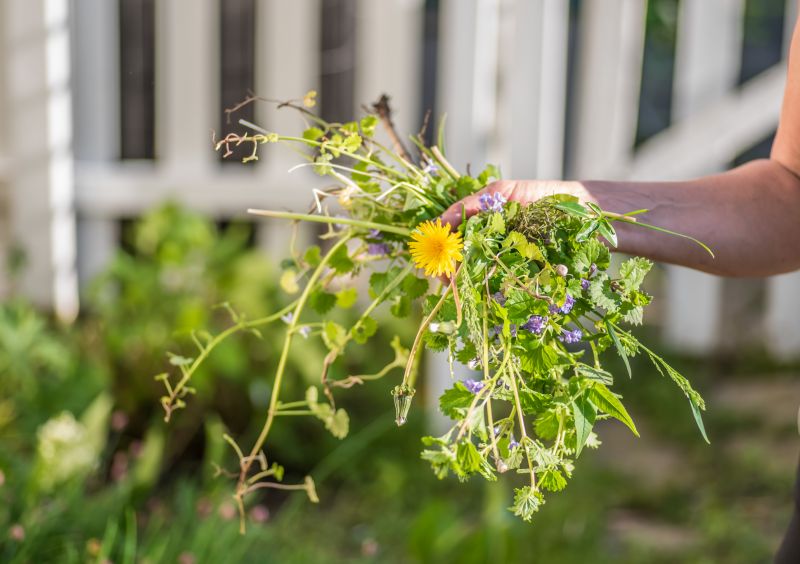
Ways to make Garden Deweedings work in tight or awkward layouts.
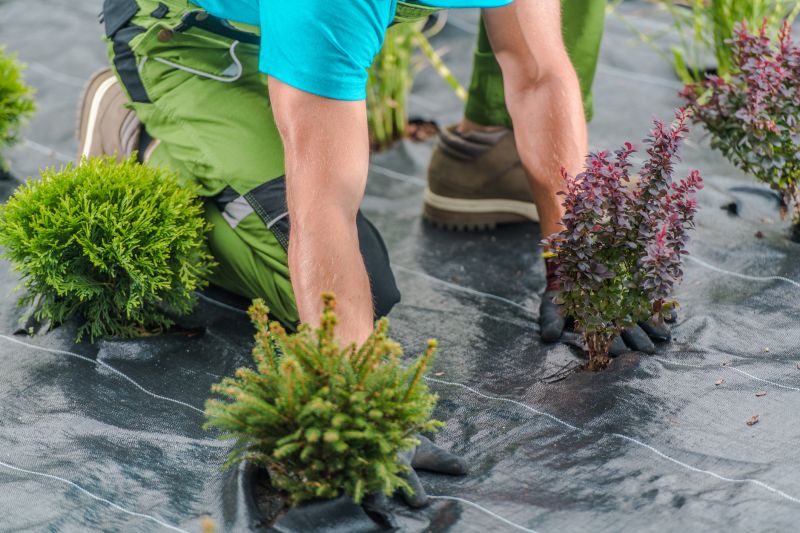
Popular materials for Garden Deweedings and why they hold up over time.
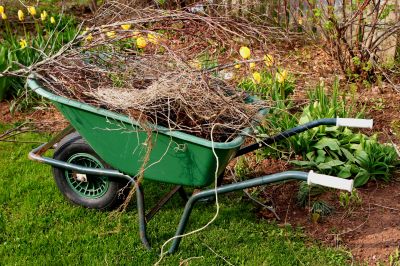
Simple add-ons that improve Garden Deweedings without blowing the budget.
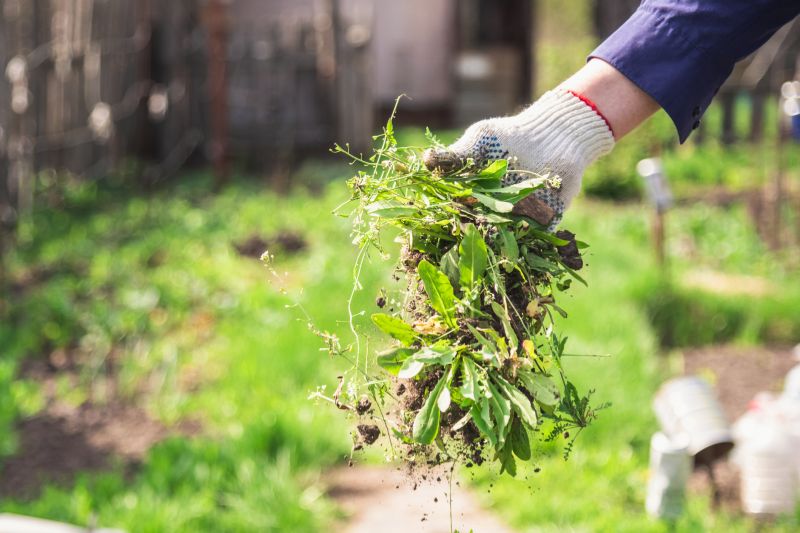
High-end options that actually feel worth it for Garden Deweedings.
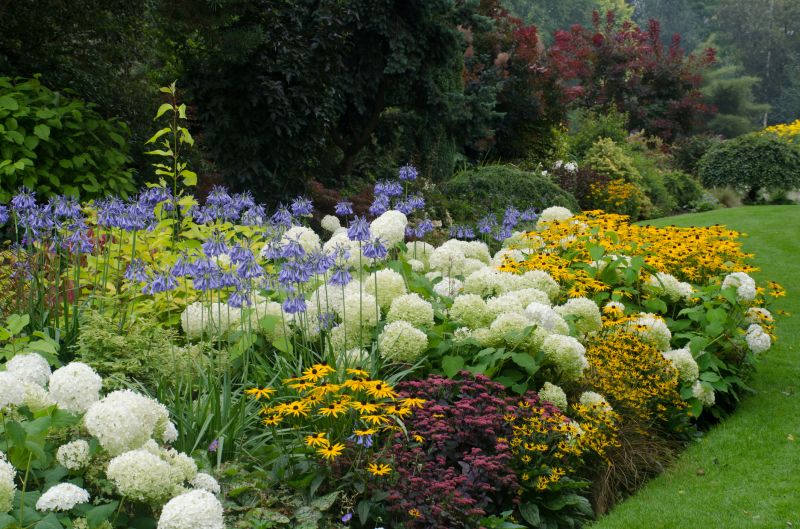
Finishes and colors that play nicely with Garden Deweedings.
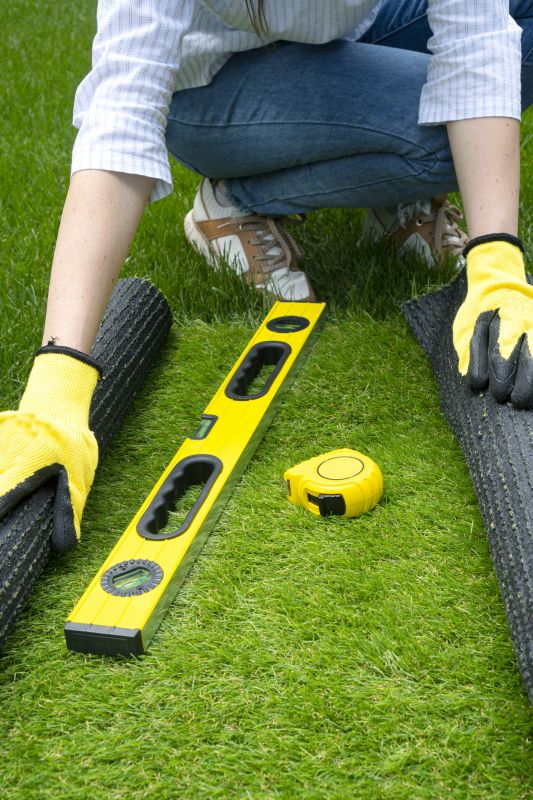
Little measurements that prevent headaches on Garden Deweedings day.
Deweeding is a crucial component of garden maintenance, helping to maintain plant health and aesthetics. Weeds compete with desired plants for nutrients, water, and sunlight, often leading to stunted growth or disease. Effective deweeding involves manual removal, mulching, and targeted herbicide use where appropriate. Statistics indicate that gardens with regular deweeding schedules experience up to 30% better plant growth and reduced pest issues.
Timing is essential for optimal results. Early intervention in spring prevents weeds from establishing deep roots, while consistent summer control reduces seed dispersal. Fall deweeding minimizes the weed seed bank for the following season. Understanding local climate patterns and weed species can help tailor the deweeding schedule for maximum effectiveness.
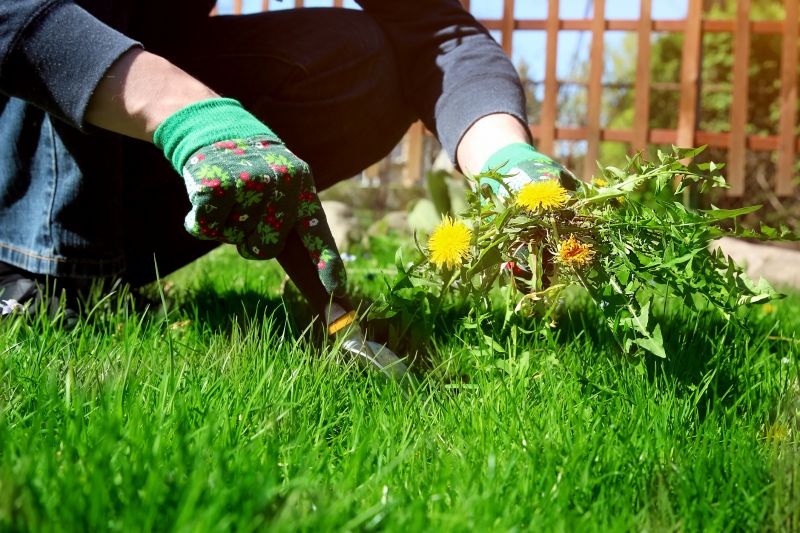
A 60-second routine that keeps Garden Deweedings looking new.
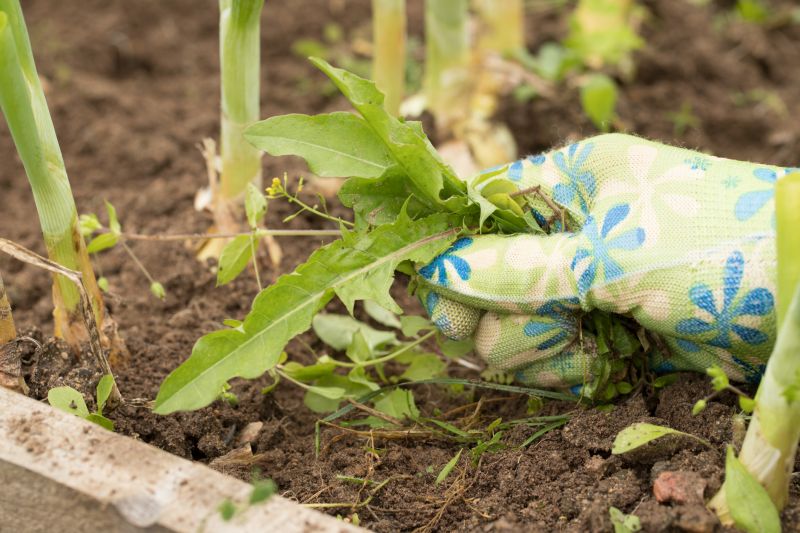
A frequent mistake in Garden Deweedings and how to dodge it.
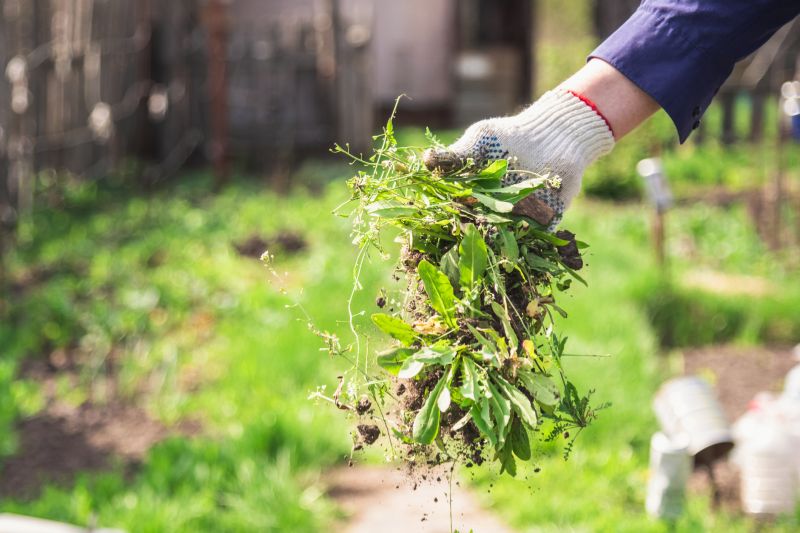
Small tweaks to make Garden Deweedings safer and easier to use.
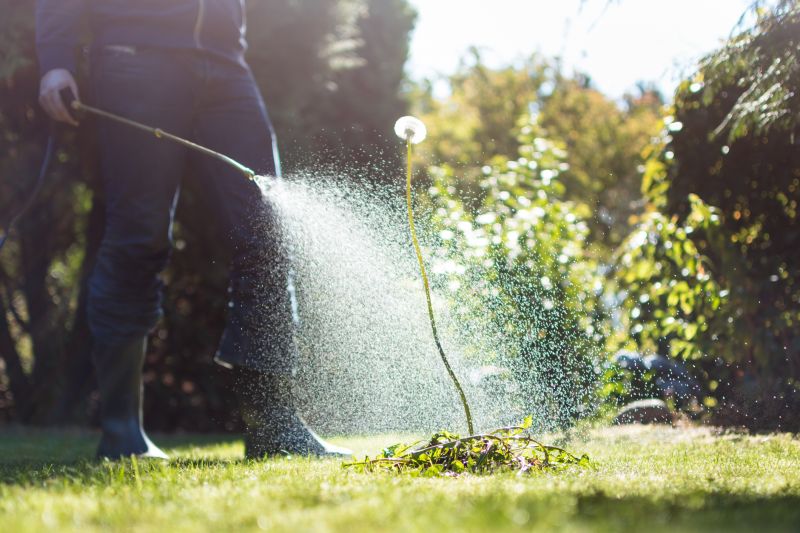
Lower-waste or water-saving choices for Garden Deweedings.
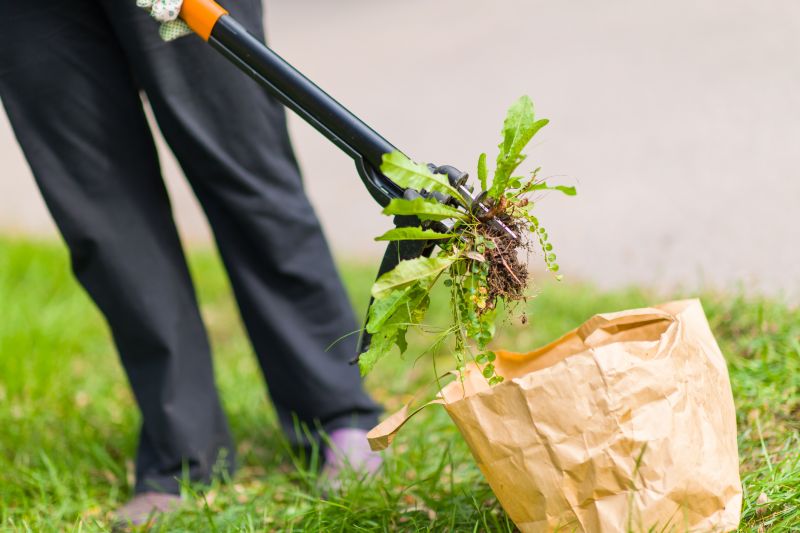
The short, realistic tool list for quality Garden Deweedings.
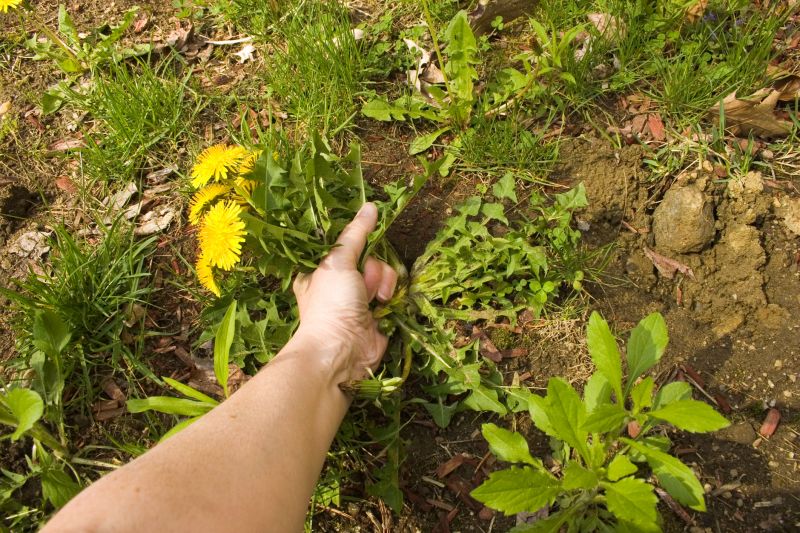
Rough timing from prep to clean-up for Garden Deweedings.
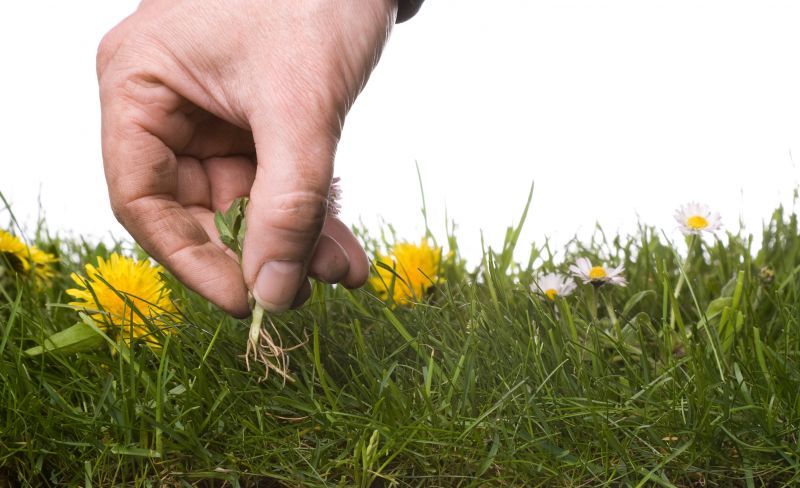
Quick checks and paperwork to keep after Garden Deweedings.
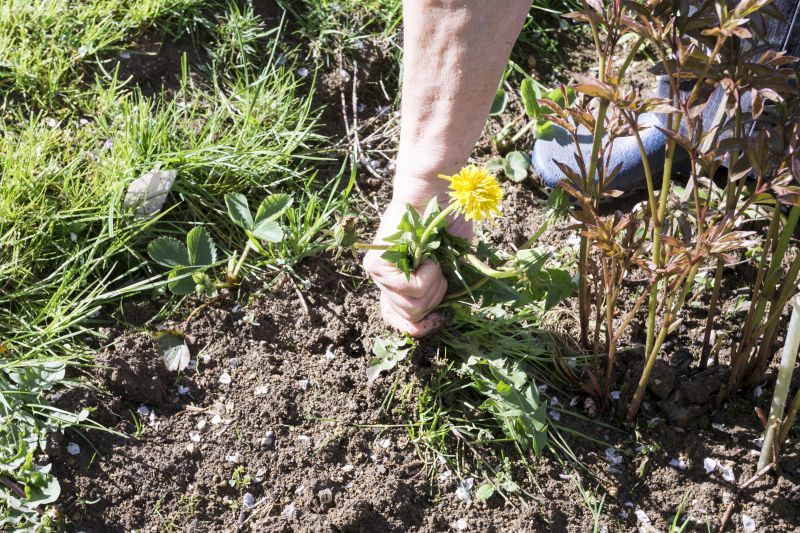
Examples that show the impact a good Garden Deweedings can make.
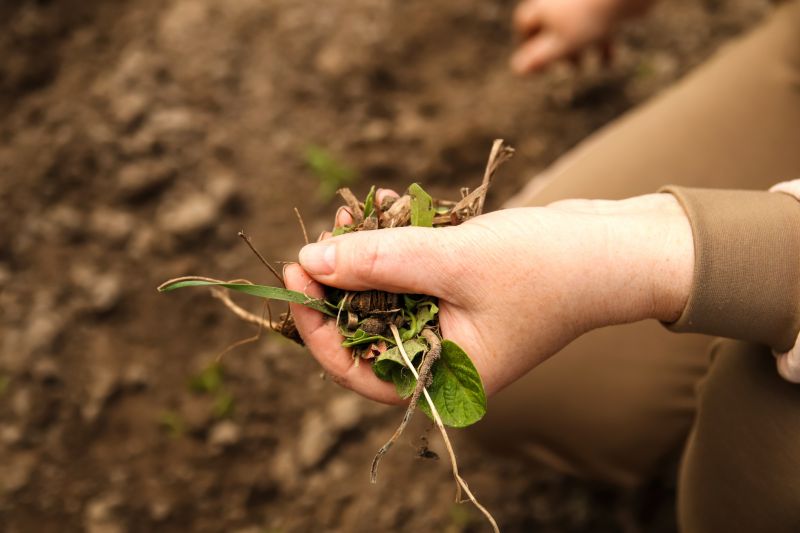
Ways to make Garden Deweedings work in tight or awkward layouts.

Ways to make Garden Deweedings work in tight or awkward layouts.
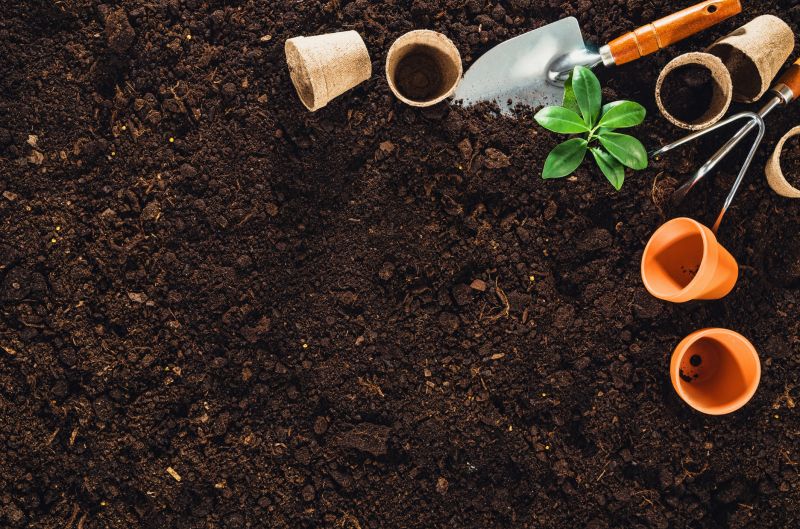
Ways to make Garden Deweedings work in tight or awkward layouts.
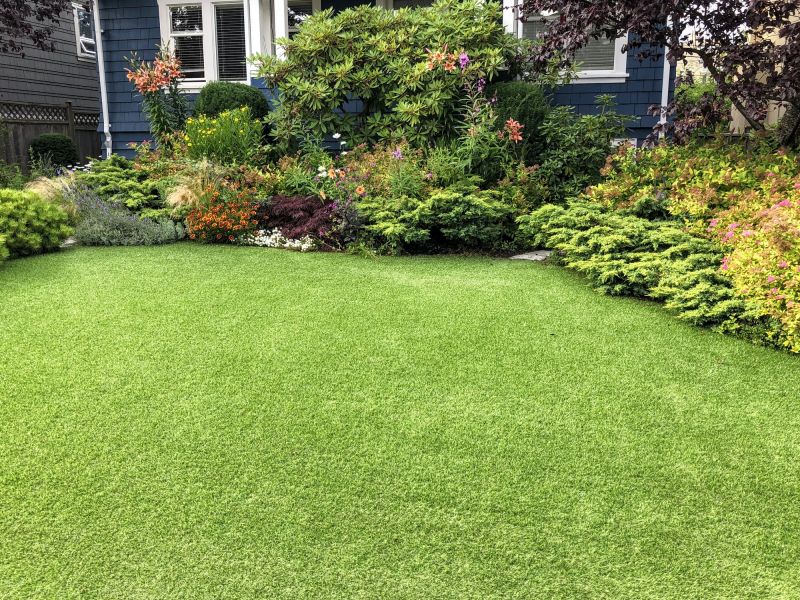
Ways to make Garden Deweedings work in tight or awkward layouts.
| Season | Best Deweeding Activities |
|---|---|
| Spring | Remove winter weeds, prepare beds for planting. |
| Summer | Regular weed removal to prevent seed set. |
| Fall | Clear weeds before winter, reduce seed bank. |
| Post-Planting | Control weeds immediately after planting. |
| Pre-Season | Clean garden beds before new growth begins. |
| Late Winter | Early control of emerging weeds. |
| During Growing Season | Ongoing weed management for healthy plants. |
Effective garden deweeding involves understanding seasonal growth patterns and acting accordingly. Consistent effort during key periods helps maintain a healthy, weed-free environment. Proper timing reduces the need for chemical interventions and supports long-term garden vitality.
Interested in professional garden deweedings? Fill out the contact form to explore options for maintaining a clean and healthy garden environment.